What is the DASH diet?
The DASH diet (Dietary Approaches to Stop Hypertension) is a healthy eating plan designed to lower blood pressure, boost energy, and support long-term wellness.
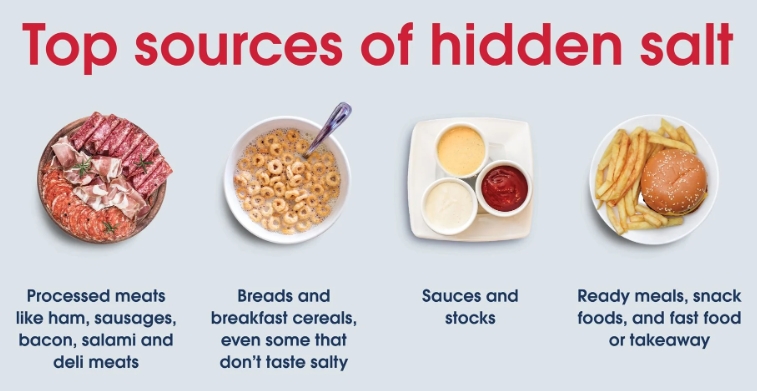
It focuses on eating whole, nutrient-rich foods such as fruits, vegetables, wholegrains, lean proteins, nuts, and low-fat dairy, while cutting back on salt, sugary snacks, and processed foods.
In simple terms, the DASH diet is about filling your plate with colourful, fresh foods and choosing options that help your heart work better. It’s easy to follow, flexible, and perfect for anyone wanting a balanced, sustainable way to eat for improved health.
Following the DASH diet doesn't have to be complicated, so we've rounded up 15 everyday foods that can be easily added to your diet.
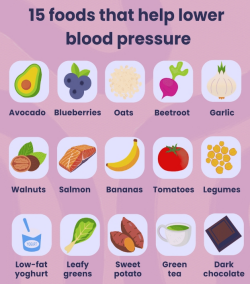 1. Avocado
Avocados provide heart-healthy monounsaturated fats, fibre, and potassium - a powerful trio that supports better blood vessel function and stable blood pressure.
Eating around half an avocado a day - or 2-4 avocados per week - not only helps reduce systolic blood pressure but also lowers 'bad' cholesterol (LDL).
Tip: Add to sandwiches, mash onto wholegrain toast, or blend into dressings and dips.
2. Blueberries
Blueberries are loaded with flavonoids - antioxidants associated with better artery function and improved blood circulation.
Consuming 200 grams of blueberries every day for one month can reduce your systolic blood pressure on average by 5 millimetres of mercury (mmHg), as well as improving blood-vessel function.
Tip: Add frozen berries to yoghurt or porridge for a heart-healthy boost.
3. Oats and wholegrains
Oats and wholegrains such as quinoa, barley, and brown rice provide soluble fibre, which helps lower cholesterol and stabilise blood pressure.
Eating three servings of wholegrains each day can lower blood pressure and, in turn, reduce the chance of heart disease in middle-aged adults.
Tip: Choose oats for breakfast or swap white bread and pasta for whole-grain versions.
4. Beetroot
Beetroots are rich in dietary nitrates that convert into nitric oxide - a compound that helps widen blood vessels and improve circulation.
Drinking 250 millilitres of beetroot juice a day for 4 weeks can significantly lower the blood pressure of people with high blood pressure.
Tip: Add beetroot to salads, or drink a small glass of beetroot juice.
5. Garlic
Garlic contains allicin, a plant compound known to support blood vessel dilation and improve blood flow.
Having 2-5 grams of raw garlic or 600-1,200 milligrams of aged garlic extract per day can reduce systolic and diastolic blood pressure by over 3 mmHg.
Tip: Use fresh garlic in cooking, add to dressings, or roast whole cloves for a milder, sweeter flavour.
6. Nuts and seeds
Nuts and seeds such as almonds, walnuts, pistachios, chia seeds, flaxseeds, and pumpkin seeds provide healthy fats, magnesium, and fibre - and are all linked to lower blood pressure.
Eating 4-5 servings a week of tree nuts and seeds can significantly reduce systolic blood pressure in those without type 2 diabetes.
Tip: Add nuts and seeds to salads, snack on a small handful, or stir seeds into yoghurt or oatmeal.
7. Fatty fish
Fatty fish including salmon, mackerel, sardines, and trout are rich in omega-3 fatty acids, which help reduce inflammation and improve blood vessel function.
Just 2 servings of fatty fish a week - through oily fish or supplements - can lower systolic blood pressure, particularly in older adults.
Tip: Enjoy it baked, grilled, or added to grain bowls.
8. Bananas
Bananas are one of the richest natural sources of potassium, a mineral that helps the body offset the effects of sodium and supports healthy blood pressure regulation.
Eating an extra gram of potassium per day – the equivalent of two medium bananas - is a more effective way to lower blood pressure than reducing your salt intake.
Tip: Slice into porridge, pair with nut butter, or blend into smoothies for an easy potassium boost.
9. Tomatoes
Tomatoes are rich in potassium and lycopene, an antioxidant shown to support improved heart health and lower blood pressure. Cooked tomatoes release more lycopene, making sauces and soups especially beneficial.
Having just one large tomato a day can reduce the likelihood of developing high blood pressure by 36%, with moderate consumption lowering blood pressure, especially in grade 1 hypertension.
Tip: Add fresh tomatoes to salads, use tomato sauce in pasta dishes, or roast with herbs as a simple side.
10. Legumes
Beans, lentils, and chickpeas offer plant-based protein, potassium, and plenty of fibre - all linked to improved heart health and lower blood pressure.
Consuming 4-5 servings a week of non-oil-seed legumes can help reduce systolic and diastolic blood pressure.
Tip: Add beans to soups, stews, salads, or blend chickpeas into hummus.
11. Low-fat dairy
Low-fat yoghurt, milk, and cheese provide calcium and protein that support healthier blood pressure levels.
2-3 daily servings of low or no-fat dairy reduces systolic blood pressure and can contribute to the prevention of hypertension.
Tip: Choose plain yoghurt, add fruit, or use low-fat dairy as a base for smoothies.
12. Leafy greens
Common leafy greens such as spinach, kale, and Swiss chard are rich in potassium and natural nitrates, which helps balance sodium levels and relax blood vessels.
Consuming one cup of leafy greens a day can lower systolic blood pressure and lowers the chance of heart disease over many years.
Tip: Add leafy greens to smoothies, salads, omelettes, soups, or grain bowls.
13. Sweet potato
Sweet potatoes are packed with potassium, magnesium, and fibre. These nutrients help relax blood vessels, support electrolyte balance, and contribute to steadier blood pressure.
One large sweet potato provides about 18% of your daily potassium, 8% of your magnesium, and 10% of your daily fibre needs.
Tip: Roast as wedges, bake whole, or add cubes to soups, stews, and salads.
14. Green tea
Green tea contains catechins - antioxidants that support improved blood flow and healthier blood vessel function.
Drinking 3-5 cups of green tea a day can lower both systolic and diastolic blood pressure.
Tip: Enjoy a warm cup daily, or brew and chill for a refreshing iced green tea with lemon.
15. Dark chocolate
Dark chocolate contains flavonoids which helps improve blood flow.
One small square a day for 8 weeks can lead to a small, consistent drop in blood pressure for people with type 2 diabetes.
Tip: Pair with berries for a heart-healthy dessert.
Source: https://patient.info/features/heart-health/foods-to-lower-blood-pressure